Blood Sugar and Water Pills: The Metabolic Overlap Every Diuretic Patient Deserves to Understand
For millions of Americans, managing one chronic condition is already a full-time effort. Managing two — particularly when one treatment can influence the other — adds a layer of complexity that can feel overwhelming, especially when the interaction isn't clearly explained.
Diuretics are among the most commonly prescribed medications in the United States, used to treat conditions ranging from hypertension and heart failure to chronic kidney disease and edema. Diabetes, meanwhile, affects more than 37 million Americans. The overlap between these two populations is substantial — and the metabolic relationship between diuretic therapy and blood sugar control is something every affected patient deserves to fully understand.
Yet in the typical fifteen-minute office visit, this nuanced interaction is rarely explored in depth.
Why This Interaction Often Goes Underdiscussed
The omission isn't usually intentional. Physicians managing patients with multiple conditions must prioritize. When a patient presents with dangerous fluid retention or uncontrolled hypertension, the immediate clinical need takes precedence. The downstream effects on glucose metabolism — real but generally less acute — can fall to the bottom of the conversation.
The result is that patients leave the pharmacy with a new prescription and incomplete information. They may notice changes in their blood sugar readings and not know whether to attribute them to their diet, their diabetes medication, or something else entirely.
The answer, in many cases, is the diuretic.
How Different Diuretic Classes Affect Glucose
Not all diuretics are created equal when it comes to metabolic impact. Understanding the distinctions between the major classes helps patients and their care teams make more informed decisions.
Thiazide and thiazide-like diuretics — including hydrochlorothiazide and chlorthalidone — have the most well-documented association with elevated blood glucose. Several mechanisms are thought to be responsible. Thiazides can reduce insulin secretion from pancreatic beta cells, decrease peripheral insulin sensitivity, and lower potassium levels — a change that itself impairs insulin release. In patients with pre-diabetes or poorly controlled type 2 diabetes, this effect can be clinically meaningful.
Loop diuretics — such as furosemide (Lasix) and bumetanide — also carry some potential for glucose elevation, though the effect is generally considered less pronounced than with thiazides. The mechanism is similar, and the degree of impact often correlates with potassium depletion. Patients on loop diuretics who develop significant hypokalemia may notice a corresponding rise in blood glucose.
Potassium-sparing diuretics — including spironolactone and amiloride — have a comparatively more favorable metabolic profile. Some research even suggests that spironolactone may have modest insulin-sensitizing properties, though this should not be interpreted as a therapeutic benefit without physician guidance.
The clinical takeaway is that the choice of diuretic class matters — and for patients with diabetes or pre-diabetes, this should be a deliberate part of the prescribing conversation.
The Potassium Connection
One of the more underappreciated links between diuretics and blood sugar is the role of potassium. Adequate potassium levels are required for normal insulin secretion. When diuretics — particularly thiazides and loop agents — deplete potassium, the pancreas becomes less efficient at releasing insulin in response to glucose, which can lead to elevated post-meal blood sugar readings.
This means that for diabetic patients on diuretics, maintaining potassium within a healthy range is not just a matter of preventing cramps or cardiac rhythm concerns. It is directly relevant to glucose control.
If your physician has not discussed potassium monitoring as part of your diuretic therapy, this is worth raising explicitly. Regular blood panels that include a comprehensive metabolic profile can catch potassium changes before they affect your diabetes management in a meaningful way.
What Home Monitoring Can Reveal
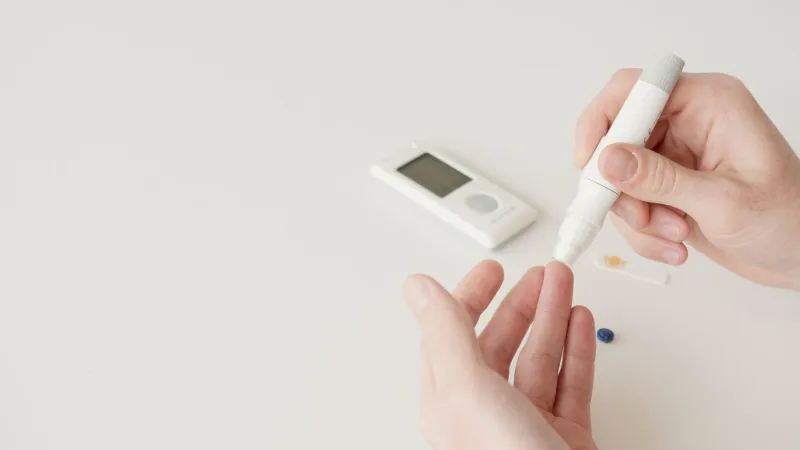
For patients who already monitor their blood glucose at home — whether through traditional finger-stick meters or continuous glucose monitors — the introduction of a new diuretic creates a valuable opportunity for comparative data.
Consider establishing a brief monitoring baseline before beginning diuretic therapy if your timeline allows. Document your fasting glucose and, if possible, two-hour post-meal readings for one week prior to starting the medication. Then continue monitoring at the same intervals after starting the diuretic.
Notable changes — particularly a consistent upward trend in fasting glucose that cannot be attributed to dietary changes — should be communicated to both your prescribing physician and your endocrinologist or primary care provider managing your diabetes. These are not separate conversations. They are part of the same clinical picture.
When to Escalate the Conversation
Certain circumstances make the diuretic-glucose interaction more clinically urgent:
- You are newly diagnosed with pre-diabetes and are starting a thiazide diuretic for blood pressure management. The risk of progressing to type 2 diabetes may be meaningfully elevated.
- Your HbA1c has been rising and you cannot account for the increase through diet or lifestyle changes.
- Your diabetes medications have recently required adjustment without a clear reason.
- You are experiencing symptoms of hyperglycemia — increased thirst, frequent urination beyond what is expected from the diuretic itself, blurred vision, or unusual fatigue.
In any of these situations, a direct conversation with your care team about the potential role of your diuretic is appropriate and warranted.
Practical Strategies for Managing Both Conditions
Managing diuretic therapy and diabetes simultaneously is entirely achievable with the right approach. The following strategies can help:
Keep a unified health log. Rather than tracking your blood pressure and fluid retention separately from your blood glucose, maintain a single daily record that captures all relevant metrics. This integrated view helps your physicians see patterns that might otherwise be invisible.
Communicate across your care team. If your cardiologist prescribes your diuretic and your endocrinologist manages your diabetes, ensure both providers know what the other has prescribed. Fragmented care is one of the most common reasons drug-condition interactions go unmanaged.
Ask about alternatives. If you are experiencing significant glucose elevation on a thiazide diuretic, ask your physician whether an alternative agent — including a potassium-sparing diuretic or a different antihypertensive class — might achieve the same clinical goals with less metabolic impact.
Do not adjust doses independently. It may be tempting to reduce your diuretic if you notice blood sugar rising. This is inadvisable without physician guidance, as your underlying condition may worsen rapidly. The solution is communication, not self-adjustment.
The Bigger Picture
At LasixUN Health, our commitment is to make prescription care accessible — and that means more than simply getting medications to your door. It means ensuring that you have the information to use those medications intelligently and safely.
The relationship between diuretics and blood sugar is not a rare or exotic concern. It is a common, well-documented interaction that affects a large segment of the American patient population. You deserve to understand it fully — and to have a care team that supports you in managing both conditions with equal attention and rigor.
