Stocking a Smarter Kitchen: How Diuretic Patients Can Rethink Grocery Shopping, Cooking, and Dining Out
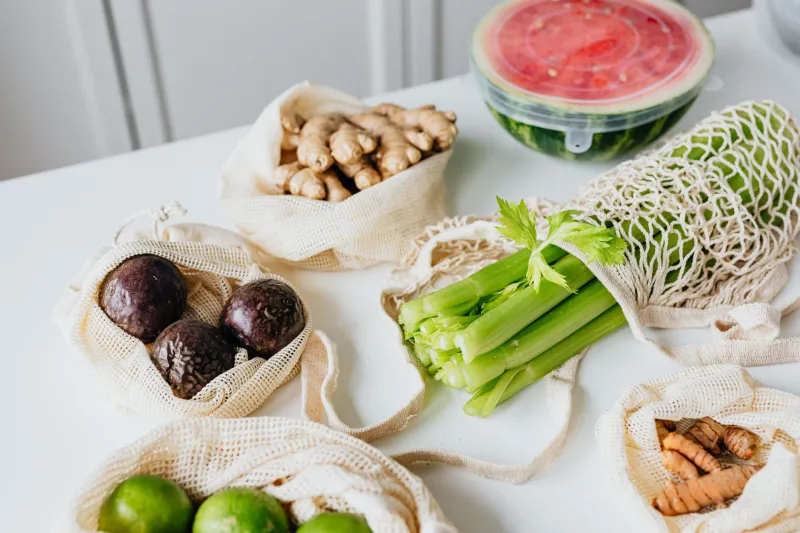
When a clinician prescribes a diuretic, the dietary conversation that follows is often brief: watch your sodium, maybe eat a banana for potassium, stay hydrated. These are reasonable starting points, but they leave most patients without a functional framework for the hundreds of food decisions they make each week. The result is a combination of confusion, anxiety at the grocery store, and a nagging sense that every meal is a potential misstep.
The good news is that eating well on diuretic therapy does not require a nutrition degree or a joyless diet of plain chicken and steamed vegetables. It requires a more informed approach to the foods already available to most Americans—and a willingness to rethink a few assumptions.
The Sodium Problem Is Bigger Than the Salt Shaker
Most patients understand that sodium and diuretic therapy have a complicated relationship. Excess sodium causes the body to retain fluid, working directly against what the medication is trying to accomplish. What fewer patients realize is that the salt shaker on the dinner table accounts for a relatively small fraction of American sodium intake. The majority comes from processed, packaged, and restaurant-prepared foods.
Consider these common sodium surprises:
- Canned soups and broths: A single serving of many popular canned soups contains 800 to 1,200 milligrams of sodium—more than half the daily limit recommended for patients managing fluid retention. Look for 'low sodium' or 'no salt added' versions, which are widely available at most major grocery chains.
- Bread and rolls: A seemingly innocuous two-slice serving of sandwich bread can contain 200 to 400 milligrams of sodium. Multiply that across a day of sandwiches and toast and the numbers accumulate quickly.
- 'Healthy' packaged snacks: Protein bars, rice cakes, flavored nuts, and low-fat crackers are frequently marketed as nutritious options, yet many contain surprising amounts of sodium as a flavoring or preservative agent. Reading the Nutrition Facts label—specifically the '% Daily Value' for sodium—takes thirty seconds and can prevent a significant miscalculation.
- Condiments and sauces: Soy sauce, bottled salad dressings, ketchup, and teriyaki sauce are concentrated sodium sources that add up rapidly when used without measurement. Reduced-sodium versions of most condiments are available and, in most recipes, functionally indistinguishable from their standard counterparts.
A practical rule: if a packaged food contains more than 20% of the daily value for sodium per serving, treat it as a high-sodium item and plan accordingly.
Building an Electrolyte-Conscious Pantry
Beyond managing sodium, diuretic patients benefit from stocking foods that support electrolyte balance—particularly potassium and magnesium, both of which can be depleted by certain diuretic classes.
Potassium-rich staples to keep on hand:
- Sweet potatoes (one medium sweet potato provides roughly 540 milligrams of potassium)
- Avocados (approximately 975 milligrams per avocado)
- White beans and lentils (excellent, affordable sources of both potassium and plant-based protein)
- Spinach and other dark leafy greens
- Oranges and orange juice (without added sugar)
- Salmon and other fatty fish
Magnesium-supportive foods:
- Pumpkin seeds and sunflower seeds
- Almonds and cashews
- Whole grains, including oats and quinoa
- Black beans
- Dark chocolate (in modest amounts)
Note that patients taking potassium-sparing diuretics or potassium supplements should not aggressively increase dietary potassium without first consulting their provider. More potassium is not universally better, and hyperkalemia (elevated potassium) carries its own risks.
Cooking Techniques That Work in Your Favor
The way food is prepared affects its sodium and electrolyte content in ways that are easy to control at home.
Rinse canned goods. Draining and rinsing canned beans, vegetables, and fish can remove 30 to 40 percent of their sodium content. This simple step takes ten seconds and makes canned goods—among the most affordable pantry staples—far more compatible with a sodium-conscious diet.
Season with acids and aromatics instead of salt. Lemon juice, lime zest, vinegar, garlic, ginger, fresh herbs, and spices can add substantial depth of flavor without contributing sodium. Many patients find that after a few weeks of reduced-sodium cooking, their palate adjusts and heavily salted food begins to taste unpleasant rather than appealing.
Steam or roast instead of boiling. Boiling vegetables leaches water-soluble minerals—including potassium—into the cooking water, which is then discarded. Steaming and roasting preserve more of the nutrient content.
Cook in batches. One of the most effective strategies for maintaining a diuretic-compatible diet is reducing dependence on convenience foods during busy weeks. Spending two hours on a Sunday preparing a large pot of lentil soup, a tray of roasted vegetables, and a batch of whole grains gives you a week's worth of low-sodium, electrolyte-conscious meals that require minimal effort on weeknights.
Navigating Restaurants Without Isolation
American dining culture is deeply social, and the prospect of dietary restrictions can make restaurant meals feel fraught. The reality is that most full-service restaurants—and even many fast-casual chains—can accommodate reasonable requests without inconvenience.
Strategies that work in practice:
- Request sauces and dressings on the side. This single adjustment eliminates a significant and variable sodium source from any dish.
- Choose grilled, roasted, or steamed preparations over fried or sautéed. Frying and sautéing typically involve added salt; roasting and grilling often do not.
- Ask for no added salt when placing your order. Most kitchens can accommodate this request, particularly for proteins and vegetables. It is a common enough ask that most servers will not find it unusual.
- Be cautious with Asian cuisine. Dishes featuring soy sauce, fish sauce, miso, or oyster sauce are often very high in sodium. Many restaurants offer reduced-sodium soy sauce on request, and dishes with clear broths or vegetable-forward profiles tend to be lower in sodium than sauced stir-fries.
- Review menus online before arriving. Most chain restaurants publish full nutritional information on their websites. Reviewing options in advance removes the stress of making a hurried decision at the table.
Reframing Restriction as Strategy
The shift that makes the most lasting difference for diuretic patients is not any single dietary rule—it is a change in perspective. Viewing dietary adjustments as a form of active participation in your treatment, rather than as deprivation, changes the emotional relationship with food in a way that supports long-term adherence.
Patients who approach their kitchen as a tool for reinforcing their medication's effectiveness—rather than as a minefield of forbidden items—tend to maintain better dietary habits, report higher quality of life, and experience fewer electrolyte-related complications over time.
At LasixUN Health, we recognize that prescription care extends beyond the pill itself. The choices made at the grocery store, the stove, and the restaurant table are part of the same treatment plan—and they deserve the same thoughtful attention.